先進的ながん免疫療法を、
日本の専門クリニックで、
あなたのために調整します

免疫療法を希望する海外の患者様と、日本の専門クリニックをおつなぎし、書類準備やクリニック選びから、予約、通訳、渡航手配まで、すべてのプロセスをサポートします。サービスは無料で、秘密厳守、またご利用にあたっての義務や契約の強制は一切ありません。

日本のクリニック受付エリア

最初のご連絡から、日本の医師に会うまで

すべてを準備してから始める必要はありません。お手元にあるものをお送りいただければ、症例の準備、相談の手配、来院の計画まで、あとは私たちがご案内します。

開く

ケースをお送りください

すでにお持ちの診療記録を、安全に共有して最初の審査を受けます。

診断のまとめ、画像、検査結果、現在の治療計画があると、クリニックがあなたの状況とご質問を把握しやすくなります。

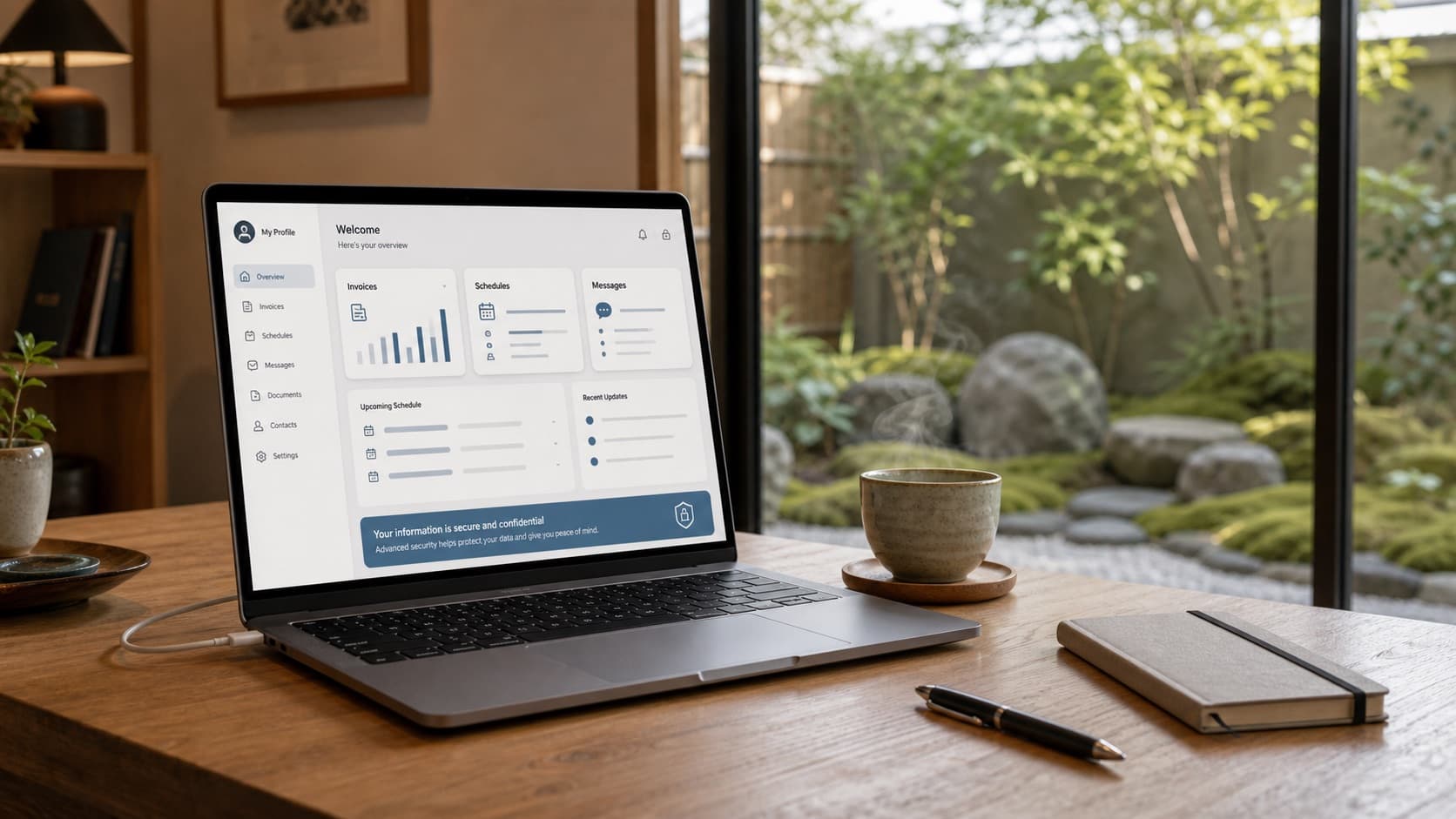
  • 安全な患者ワークスペースから書類をアップロードします。
  • クリニックが審査する前に、不足している資料を具体的にお知らせします。
開く

専門医と話す

クリニックがあなたのケースを受け付けた場合、専門医との相談を設定します。

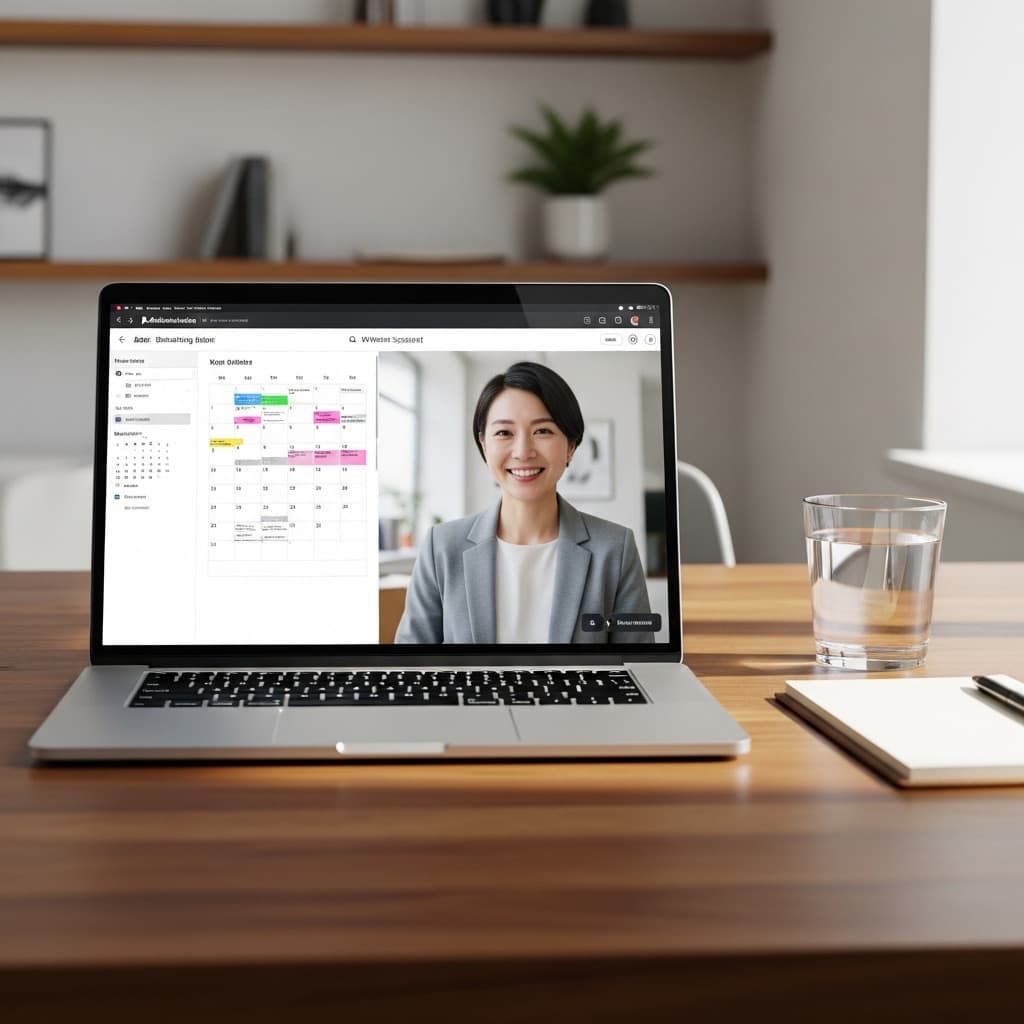
日程調整、連絡、通訳は私たちが対応します。医師があなたと一緒に記録を確認し、考えられる次のステップについて話し合います。

  • ご質問を準備してお臨みください。準備もお手伝いします。
  • 必要なときは専門の医療通訳が付き添います。
開く

治療のために日本へ

来院を決められた場合は、渡航の実務面を私たちが整えます。

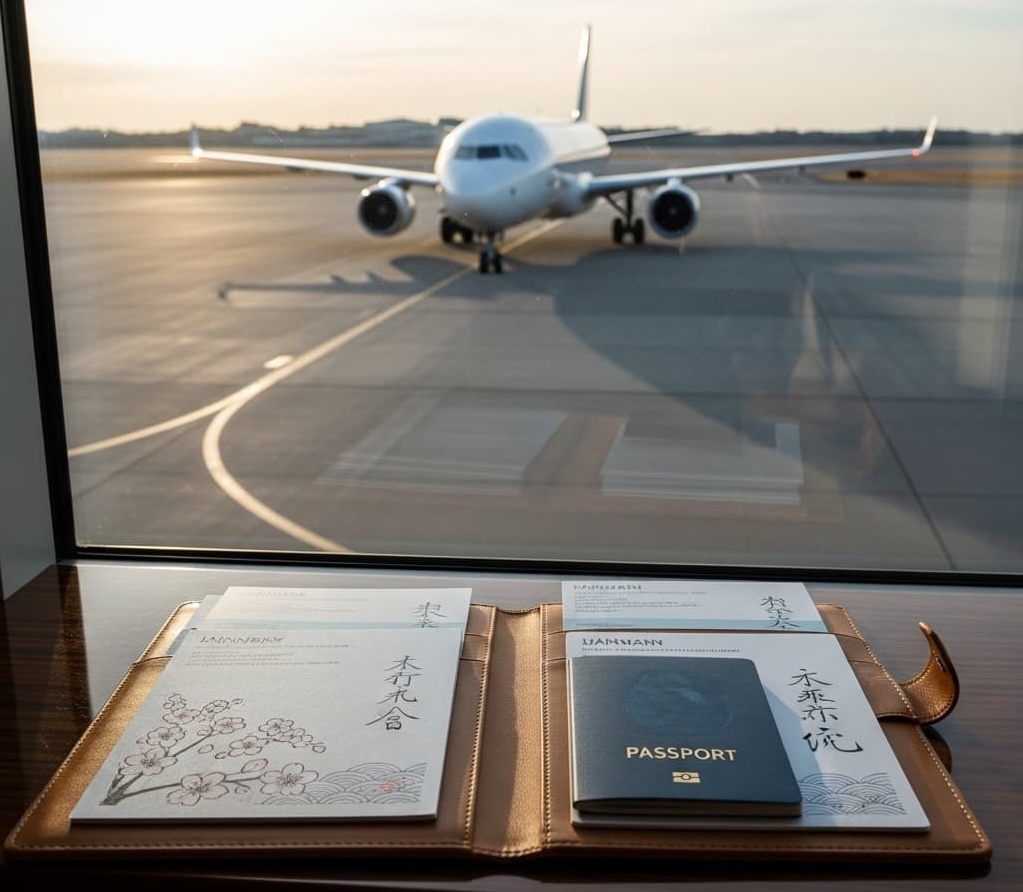
クリニックが日程を確定したら、予約の調整、クリニック近くの宿泊の手配、現地での言語サポートを行います。

  • クリニックが確定した日程に合わせて渡航を計画します。
  • 必要に応じて、予約に通訳が同行します。
力になれるか確認する

あなたの状況をお聞かせください。日本での選択肢をご説明します。

What unique regulatory framework allows clinics in Japan to offer advanced treatments such as immunotherapy for oncology and immunology cases?

Japan regulates advanced cell-based medicine through a dedicated legal framework, overseen by the Ministry of Health, Labour and Welfare and the PMDA. Pathways such as Advanced Medical Care (Senshin Iryo) and the Act on the Safety of Regenerative Medicine let licensed clinics offer certain therapies outside a clinical trial, under defined safeguards. That is why some approaches are routinely available in Japan while they are still trial-only elsewhere. It does not mean they are right for everyone — that is a separate question. Through our medical concierge services, we review health records and diagnostic history provided by patients to identify the most relevant clinical paths. We help connect patients with authorized specialized clinics in Japan best equipped to evaluate each patient's situation and provide the appropriate treatment protocols for their specific case.

Why use Japan Medical Assist's coordination services to access treatments in Japan?

Most Japanese specialized clinics do not accept international patients directly. Japan Medical Assist bridges this gap by acting as your official administrative coordinator. Here is how we help you successfully secure treatment:

  • Overcoming language barriers: Japanese medical facilities communicate exclusively in Japanese. We handle all official correspondence and provide professional document translation services for your records.
  • Complex record preparation: clinics require strict, specific health record formats and preliminary screening protocols. We organize your medical history to meet precise Japanese standards.
  • Multi-clinic network: treatment protocols vary widely, and clinics frequently decline cases. We leverage established relationships with multiple facilities to find the best match for your specific diagnosis.
  • Expedited registration: Japanese oncology centers can be overwhelmed with inquiries. We present your case as a "ready-to-review" medical case, bypassing administrative delays to fast-track your intake.
  • On-site interpretation support: to ensure safety and clear communication during your medical appointments, we provide in-person interpretation services at the clinic when necessary.

What kinds of treatment do the clinics in your partner network offer?

Broadly, four families. This is a summary — each one has real clinical depth behind it:

  • Dendritic cell vaccines — your own dendritic cells are collected, prepared in a lab to recognise cancer markers, and given back as a personalised vaccine. Includes WT1, multivalent, and tumour-lysate versions.
  • Immune cell therapies — NK cells, NK/NKT/gamma-delta T combinations, or LAK cells are grown and activated from a blood sample, then returned by infusion.
  • Targeted and molecular approaches — used where genetic or pathology testing finds something specific to aim at.
  • Local and supportive therapies — hyperthermia, photoimmunotherapy, sonodynamic therapy, tumour treating fields, and supportive options such as high-dose vitamin C.

Full clinical descriptions, including how each one works and the published literature behind it, are on ImmunotherapyJapan.com. Whether any of them suits your case is for the treating doctor to decide after reviewing your records. While acceptance is never guaranteed, we can help you get your case in front of the right clinics for their independent evaluation.

What is the difference between a dendritic cell vaccine and NK cell therapy?

They work on two different halves of the immune system.

  • A dendritic cell vaccine works with your adaptive immunity. It shows the immune system specific cancer markers so it learns to recognise and remember them. Specific, but it needs a target to teach.
  • A NK cell therapy works with your innate immunity. Natural killer cells act on abnormal cells without needing to be taught a particular marker first. Broader, but less targeted.

Some protocols use both, on the reasoning that they cover for each other. Which combination — if any — makes sense for you is a clinical judgement, not something to decide from a website. There is a fuller explanation on ImmunotherapyJapan.com.

Do I need an online consultation first?

Yes. Clinics want to speak with you before agreeing to anything. Once a clinic accepts your file, we arrange a video consultation at a time that works across your time zone and theirs, with a medical interpreter on the call.

What should I send before the first consultation?

As much as you already have. Doctors would rather see too much than too little:

  • A recent summary of your diagnosis and treatment so far.
  • Imaging — CT, MRI, PET-CT, X-rays.
  • Blood work and pathology reports.
  • A list of current protocols and medications.

If your records are not ready, do not wait. A written description of your history is enough to start, and we can help chase documents from your current team. If tests are missing, they can often be arranged in Japan before treatment begins — and having your before and after scans done at the same facility makes them easier to compare later for progress evaluation.

How should I prepare?

Study the available therapies on ImmunotherapyJapan.com beforehand to understand what might be relevant to your case and what is important to discuss with the doctor. Write your questions down before the call. People forget them under pressure, and the interpreter makes the conversation slower than a normal appointment. Cover what worries you most, what you are having now, timing, and what you are hoping to find out.

What is worth asking the doctor?

What they are actually proposing and why, what evidence sits behind it, the risks, what the alternatives are, what it costs, how many visits it needs, and what follow-up looks like once you go home. If an answer is vague, ask again.

How do I send my records, and who sees them?

You upload them into your encrypted patient workspace. Only the coordinators working on your case and the clinical team reviewing it can see them. We can also request records from your current care team on your behalf and pass them on securely.

Do I need to translate everything first?

There is no need — it may be expensive, time-consuming and you may translate the wrong things. Send them in the original language and we will take care of documents translation and preparation for the clinic review.

Who actually reviews my case?

We check first that the file is complete and formatted the way clinics expect. Then an independent clinic decides whether it will review the case. That second decision is entirely theirs.

How long does it take?

We usually prepare a complete document package within one to two working days. Japanese clinics often respond within the same week, though it varies with their schedule and how complex the case is. Once a clinic accepts, the consultation is typically booked within a week depending on the specific doctor's availability.

What does Japan Medical Assist actually do?

We prepare and translate your records, present your case to clinics, arrange consultations and interpreters, and organise the practical side of getting you to Japan and back. That is the whole scope.

Who gives medical advice?

Only the licensed doctors at the independent clinics. Diagnoses, eligibility, treatment decisions and care recommendations come from them, never from us.

When should I book flights?

Not until your clinic schedule is confirmed and you have seen the costs. On-site appointments are usually set for one to three weeks after the consultation. Once the dates are fixed we can help with travel and suggest places to stay near the clinic.

How long will I need to be in Japan?

It depends on what the doctor recommends, but it usually falls into one of two patterns:

  • Two-three trips — roughly 7 to 14 days first, visiting the clinic daily for appointments of about 30 to 60 minutes, then a second stay of 7 to 14 days after a two to three week gap.
  • Single longer trip — combining both phases into a single stay of about 4 to 5 weeks, which many people prefer for simplicity.

The final schedule is set by the clinic based on your case, not by us.

When will I know what this costs?

Our coordination services are free for patients. Clinic costs come after the clinic has reviewed your file, because they depend on what is actually being proposed — anyone quoting a treatment price before reading your records is guessing. Once the clinic responds, you get a full breakdown before deciding anything. Online consultation with a doctor is billed separately by the clinic, and you will see that cost before booking. Often, the consultation cost is credited toward the treatment cost if you go ahead.

Will my insurance cover it?

Usually not. These are private treatments at independent clinics and most policies do not reimburse them. Check with your insurer directly. Depending on where you live, the costs may qualify for a medical expense tax deduction.

Does Japan Medical Assist evaluate clinical results?

Clinical follow-up instructions will originate from licensed medical professionals, i.e., the independent Japanese facility providing your care will be responsible for tracking progress and issuing medical recommendations.

How do I request help after a visit or plan a follow-up visit?

We will stay in touch with you before, during and after your visit. Please use the secure client portal or contact your coordinator directly for ongoing account management, document updates, or scheduling help. Our team remains available to facilitate follow-up communication with clinics, bookings or secondary consultations.

対応できること

医療記録はクリニックでの審査のために準備中です

ケースの準備

ばらばらの記録を、専門医が審査できる分かりやすい症例ファイルにまとめます。

  • すでにお持ちの記録を安全に収集します。
  • 診断のまとめ・画像・検査レポートを、クリニック向けに整理します。
  • 翻訳と、不足している資料を探すお手伝いをします。
  • 診断とご希望に基づいてクリニックを選定します。
遠隔診療連携

クリニックにつなぐ

準備したケースを、あなたの状況に合った複数の専門クリニックにお送りします。

  • 各クリニックが求める形式に正確に合わせて提出します。
  • クリニックとの1対1の相談に、専門の医療通訳を手配します。
  • クリニックが審査する間、フォローアップして進捗をお知らせします。
日本における海外患者旅行のコーディネート

日本への渡航をサポート

来院が確定したら、渡航の実務的な細部を私たちが引き受けます。

  • 柔軟な日程:1回の渡航(4~5週間)でも、複数回に分けた短期の渡航でも、ご都合に合わせます。
  • 入国のご案内:必要に応じた医療滞在ビザの申請と、渡航要件の確認をお手伝いします。
  • 宿泊:クリニック近くの快適な宿泊先探しをお手伝いします。
  • 現地通訳:毎日の予約で専門の医療通訳が付き添います。
日本のクリニックと連携した専門家によるコンサルテーション

最後まで、ずっとサポート

記録、予約、請求書、クリニックとのやり取りを、一つの安全な場所にまとめます。

  • 安全な患者ポータル:記録・タイムライン・ケアチームに暗号化してアクセスできます。
  • ダイレクトメッセージ:必要なときにいつでも専任コーディネーターに連絡できます。
  • 明確な請求:調整費用とクリニックの請求をすべて1か所にまとめ、想定外の費用がありません。
  • 継続的なフォローアップ:あなたと日本のクリニックの間で、更新やご質問を私たちが橋渡しします。
担当チームに相談する

日本での治療や渡航について、何でもお尋ねください。

日本の先進がん医療へ、あなたの架け橋に

JapanMedAssist は、がんや免疫関連の疾患を抱える海外の患者さんが、先進的な免疫療法を提供するクリニックを含む日本の専門クリニックにご自身のケースを届けられるよう支援します。ふつうは難しく感じられる言葉の壁や書類手続き、行き止まりを、私たちが引き受けます。

診療記録の整理、クリニックとのやり取り、日程調整や通訳の手配、渡航の調整まで行い、大切なことが抜け落ちないようにします。

各クリニックが独立してあなたのケースを審査します。医療上の助言や適応の判断、診断・治療の選択肢の説明は、各クリニックの有資格医師が行います。

私たちが最も多くの実績を持つのは腫瘍学と臨床免疫学の分野です。専門医によるセカンドオピニオンの取得や、免疫療法などの先進的な選択肢を提供する日本の専門クリニックに向けた症例準備をお手伝いしています。