Advanced cancer immunotherapy
at specialist clinics in Japan,
arranged for you

We connect international patients seeking immunotherapy with specialist clinics in Japan and support you throughout the entire process—from document preparation and clinic matching to scheduling, interpretation, and travel arrangements. Our services are free of charge, confidential, and come with no obligation.

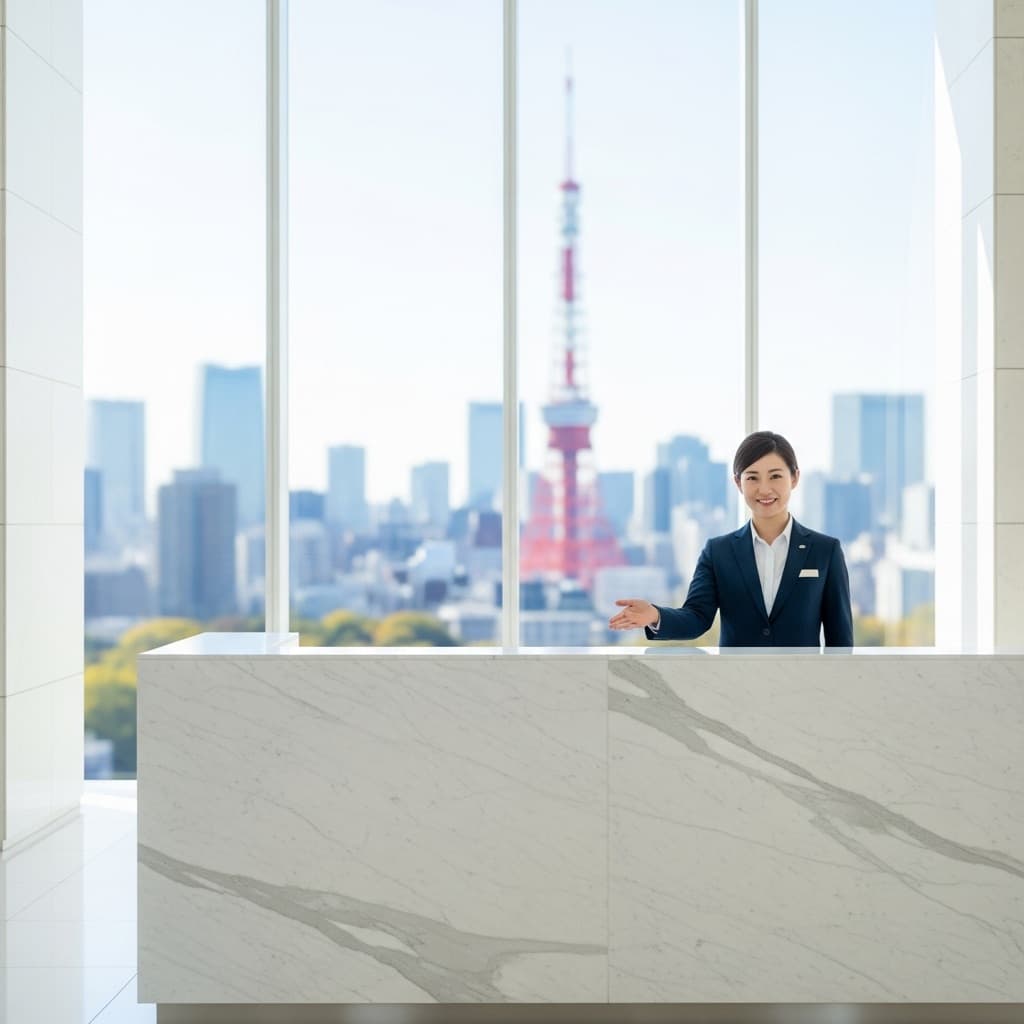
Clinic reception area in Japan

From your first message to a doctor in Japan

You don’t need everything ready to start. Send us what you have, and we’ll guide you through the rest — preparing your case, arranging a consultation, and planning your visit.

Expand

Send Us Your Case

Share the medical records you already have, securely, for a first review.

Diagnosis summaries, scans, lab results, and your current treatment plan help the clinic understand your situation and your questions.

  • Upload documents through your secure patient workspace.
  • We tell you exactly what’s missing before the clinic reviews it.
Expand

Meet a Specialist Doctor

If a clinic accepts your case, we set up a consultation with their specialist.

We handle the scheduling, communication, and interpretation. The doctor reviews your records with you and discusses possible next steps.

  • Come with your questions ready — we’ll help you prepare.
  • Professional medical interpretation is included when you need it.
Expand

Travel to Japan for Treatment

If you decide to visit, we organize the practical side of your trip.

Once the clinic confirms a schedule, we coordinate your appointments, help with accommodation near the clinic, and arrange on-site language support.

  • Plan your trip around the clinic’s confirmed timetable.
  • Have an interpreter with you at appointments when needed.
See If We Can Help

Tell us about your case and we’ll explain your options in Japan.

Straight answers before you reach out

What unique regulatory framework allows clinics in Japan to offer advanced treatments such as immunotherapy for oncology and immunology cases?

Japan regulates advanced cell-based medicine through a dedicated legal framework, overseen by the Ministry of Health, Labour and Welfare and the PMDA. Pathways such as Advanced Medical Care (Senshin Iryo) and the Act on the Safety of Regenerative Medicine let licensed clinics offer certain therapies outside a clinical trial, under defined safeguards. That is why some approaches are routinely available in Japan while they are still trial-only elsewhere. It does not mean they are right for everyone — that is a separate question. Through our medical concierge services, we review health records and diagnostic history provided by patients to identify the most relevant clinical paths. We help connect patients with authorized specialized clinics in Japan best equipped to evaluate each patient's situation and provide the appropriate treatment protocols for their specific case.

Why use Japan Medical Assist's coordination services to access treatments in Japan?

Most Japanese specialized clinics do not accept international patients directly. Japan Medical Assist bridges this gap by acting as your official administrative coordinator. Here is how we help you successfully secure treatment:

  • Overcoming language barriers: Japanese medical facilities communicate exclusively in Japanese. We handle all official correspondence and provide professional document translation services for your records.
  • Complex record preparation: clinics require strict, specific health record formats and preliminary screening protocols. We organize your medical history to meet precise Japanese standards.
  • Multi-clinic network: treatment protocols vary widely, and clinics frequently decline cases. We leverage established relationships with multiple facilities to find the best match for your specific diagnosis.
  • Expedited registration: Japanese oncology centers can be overwhelmed with inquiries. We present your case as a "ready-to-review" medical case, bypassing administrative delays to fast-track your intake.
  • On-site interpretation support: to ensure safety and clear communication during your medical appointments, we provide in-person interpretation services at the clinic when necessary.

What kinds of treatment do the clinics in your partner network offer?

Broadly, four families. This is a summary — each one has real clinical depth behind it:

  • Dendritic cell vaccines — your own dendritic cells are collected, prepared in a lab to recognise cancer markers, and given back as a personalised vaccine. Includes WT1, multivalent, and tumour-lysate versions.
  • Immune cell therapies — NK cells, NK/NKT/gamma-delta T combinations, or LAK cells are grown and activated from a blood sample, then returned by infusion.
  • Targeted and molecular approaches — used where genetic or pathology testing finds something specific to aim at.
  • Local and supportive therapies — hyperthermia, photoimmunotherapy, sonodynamic therapy, tumour treating fields, and supportive options such as high-dose vitamin C.

Full clinical descriptions, including how each one works and the published literature behind it, are on ImmunotherapyJapan.com. Whether any of them suits your case is for the treating doctor to decide after reviewing your records. While acceptance is never guaranteed, we can help you get your case in front of the right clinics for their independent evaluation.

What is the difference between a dendritic cell vaccine and NK cell therapy?

They work on two different halves of the immune system.

  • A dendritic cell vaccine works with your adaptive immunity. It shows the immune system specific cancer markers so it learns to recognise and remember them. Specific, but it needs a target to teach.
  • A NK cell therapy works with your innate immunity. Natural killer cells act on abnormal cells without needing to be taught a particular marker first. Broader, but less targeted.

Some protocols use both, on the reasoning that they cover for each other. Which combination — if any — makes sense for you is a clinical judgement, not something to decide from a website. There is a fuller explanation on ImmunotherapyJapan.com.

Do I need an online consultation first?

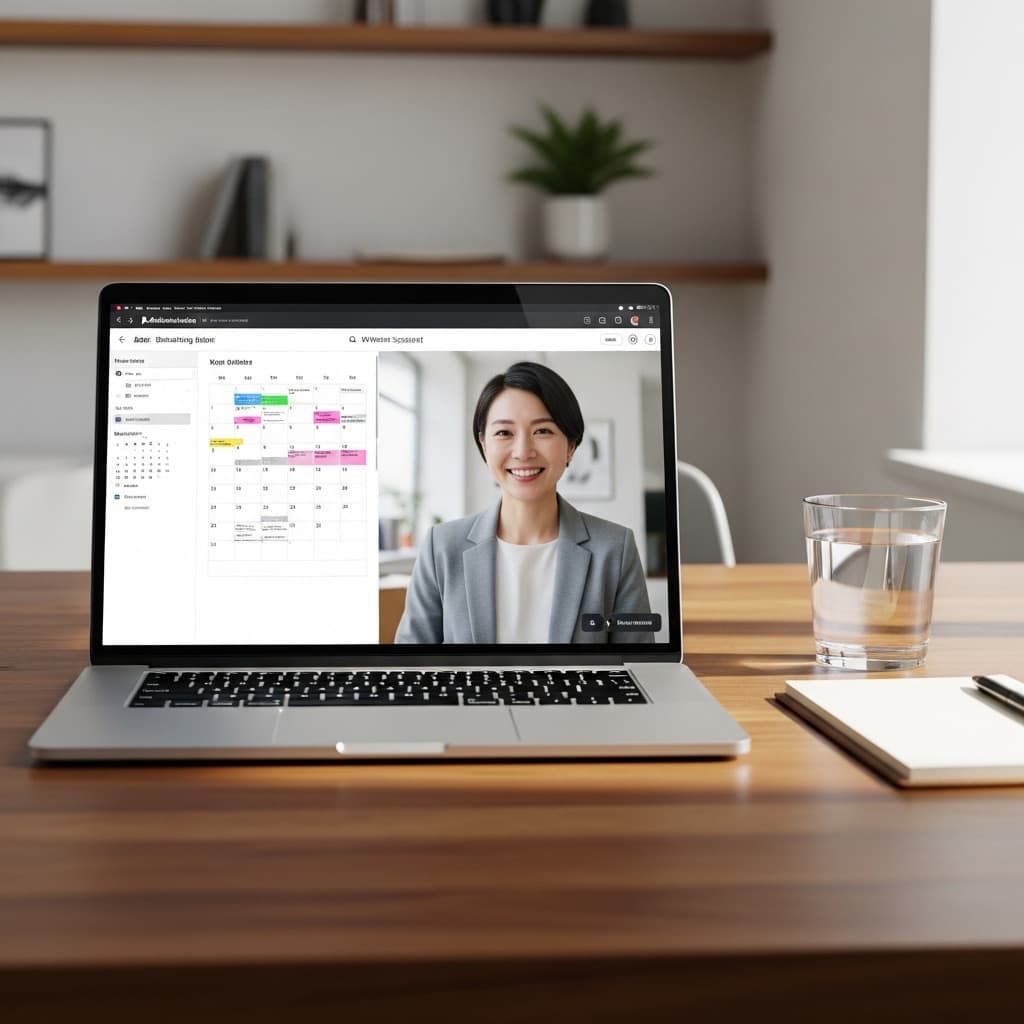
Yes. Clinics want to speak with you before agreeing to anything. Once a clinic accepts your file, we arrange a video consultation at a time that works across your time zone and theirs, with a medical interpreter on the call.

What should I send before the first consultation?

As much as you already have. Doctors would rather see too much than too little:

  • A recent summary of your diagnosis and treatment so far.
  • Imaging — CT, MRI, PET-CT, X-rays.
  • Blood work and pathology reports.
  • A list of current protocols and medications.

If your records are not ready, do not wait. A written description of your history is enough to start, and we can help chase documents from your current team. If tests are missing, they can often be arranged in Japan before treatment begins — and having your before and after scans done at the same facility makes them easier to compare later for progress evaluation.

How should I prepare?

Study the available therapies on ImmunotherapyJapan.com beforehand to understand what might be relevant to your case and what is important to discuss with the doctor. Write your questions down before the call. People forget them under pressure, and the interpreter makes the conversation slower than a normal appointment. Cover what worries you most, what you are having now, timing, and what you are hoping to find out.

What is worth asking the doctor?

What they are actually proposing and why, what evidence sits behind it, the risks, what the alternatives are, what it costs, how many visits it needs, and what follow-up looks like once you go home. If an answer is vague, ask again.

How do I send my records, and who sees them?

You upload them into your encrypted patient workspace. Only the coordinators working on your case and the clinical team reviewing it can see them. We can also request records from your current care team on your behalf and pass them on securely.

Do I need to translate everything first?

There is no need — it may be expensive, time-consuming and you may translate the wrong things. Send them in the original language and we will take care of documents translation and preparation for the clinic review.

Who actually reviews my case?

We check first that the file is complete and formatted the way clinics expect. Then an independent clinic decides whether it will review the case. That second decision is entirely theirs.

How long does it take?

We usually prepare a complete document package within one to two working days. Japanese clinics often respond within the same week, though it varies with their schedule and how complex the case is. Once a clinic accepts, the consultation is typically booked within a week depending on the specific doctor's availability.

What does Japan Medical Assist actually do?

We prepare and translate your records, present your case to clinics, arrange consultations and interpreters, and organise the practical side of getting you to Japan and back. That is the whole scope.

Who gives medical advice?

Only the licensed doctors at the independent clinics. Diagnoses, eligibility, treatment decisions and care recommendations come from them, never from us.

When should I book flights?

Not until your clinic schedule is confirmed and you have seen the costs. On-site appointments are usually set for one to three weeks after the consultation. Once the dates are fixed we can help with travel and suggest places to stay near the clinic.

How long will I need to be in Japan?

It depends on what the doctor recommends, but it usually falls into one of two patterns:

  • Two-three trips — roughly 7 to 14 days first, visiting the clinic daily for appointments of about 30 to 60 minutes, then a second stay of 7 to 14 days after a two to three week gap.
  • Single longer trip — combining both phases into a single stay of about 4 to 5 weeks, which many people prefer for simplicity.

The final schedule is set by the clinic based on your case, not by us.

When will I know what this costs?

Our coordination services are free for patients. Clinic costs come after the clinic has reviewed your file, because they depend on what is actually being proposed — anyone quoting a treatment price before reading your records is guessing. Once the clinic responds, you get a full breakdown before deciding anything. Online consultation with a doctor is billed separately by the clinic, and you will see that cost before booking. Often, the consultation cost is credited toward the treatment cost if you go ahead.

Will my insurance cover it?

Usually not. These are private treatments at independent clinics and most policies do not reimburse them. Check with your insurer directly. Depending on where you live, the costs may qualify for a medical expense tax deduction.

Does Japan Medical Assist evaluate clinical results?

Clinical follow-up instructions will originate from licensed medical professionals, i.e., the independent Japanese facility providing your care will be responsible for tracking progress and issuing medical recommendations.

How do I request help after a visit or plan a follow-up visit?

We will stay in touch with you before, during and after your visit. Please use the secure client portal or contact your coordinator directly for ongoing account management, document updates, or scheduling help. Our team remains available to facilitate follow-up communication with clinics, bookings or secondary consultations.

What We Help With

Health records being prepared for clinic review

Preparing Your Case

We turn scattered records into a clear case file a specialist can review.

  • Secure collection of the records you already have.
  • Diagnosis summaries, scans, and lab reports organized for the clinic.
  • Translation and help tracking down anything that’s missing.
  • Matching based on your diagnosis and what you’re looking for.
Remote clinical consultation coordination

Connecting You With a Clinic

We send your prepared case to multiple specialist clinics suited to your situation.

  • Submission in the exact format each clinic requires.
  • Professional medical interpretation arranged for your 1 on 1 consultation with the clinic
  • We follow up and keep you updated while the clinic reviews your case.
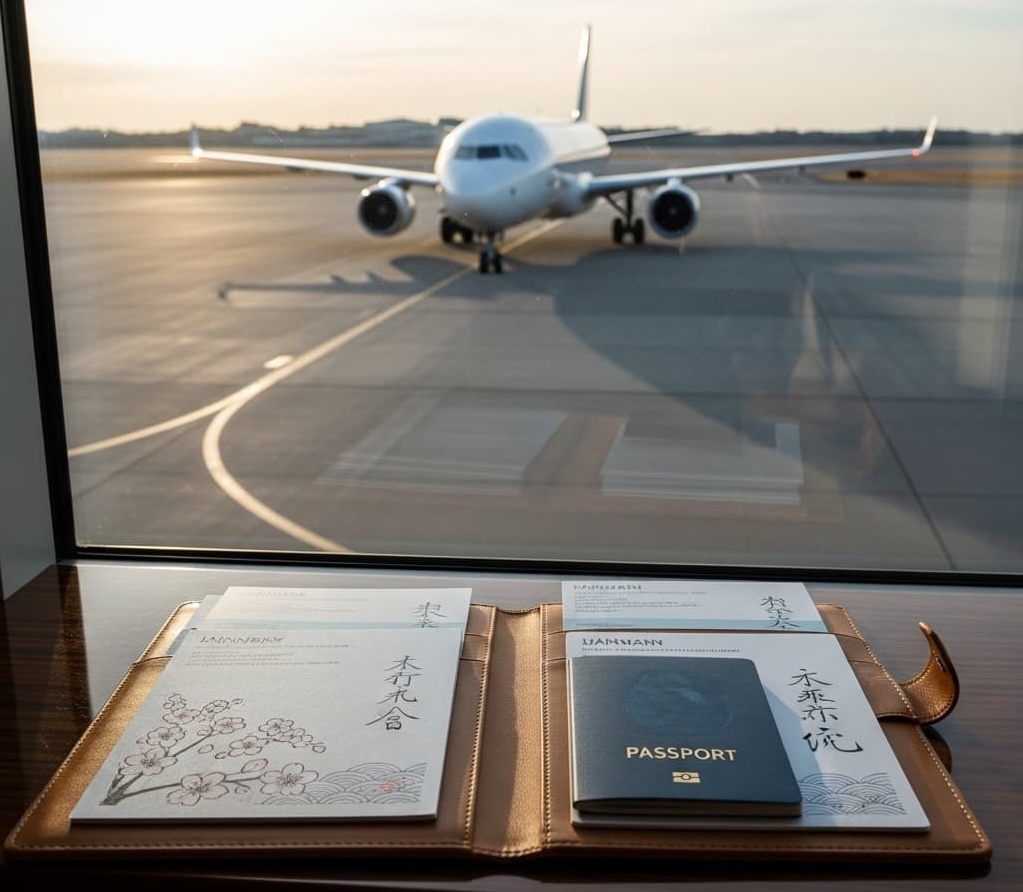
International patient travel coordination in Japan

Getting You to Japan

Once your visit is confirmed, we take care of the practical details of the trip.

  • Flexible schedules: a single trip (4–5 weeks) or several shorter trips, whichever suits you.
  • Entry guidance: medical visa assistance when needed, and help with travel requirements.
  • Accommodation: help finding comfortable lodging close to your clinic.
  • On-site interpreters: professional medical interpretation at your daily appointments.
Specialist consultation coordinated with a Japanese clinic

Support the Whole Way Through

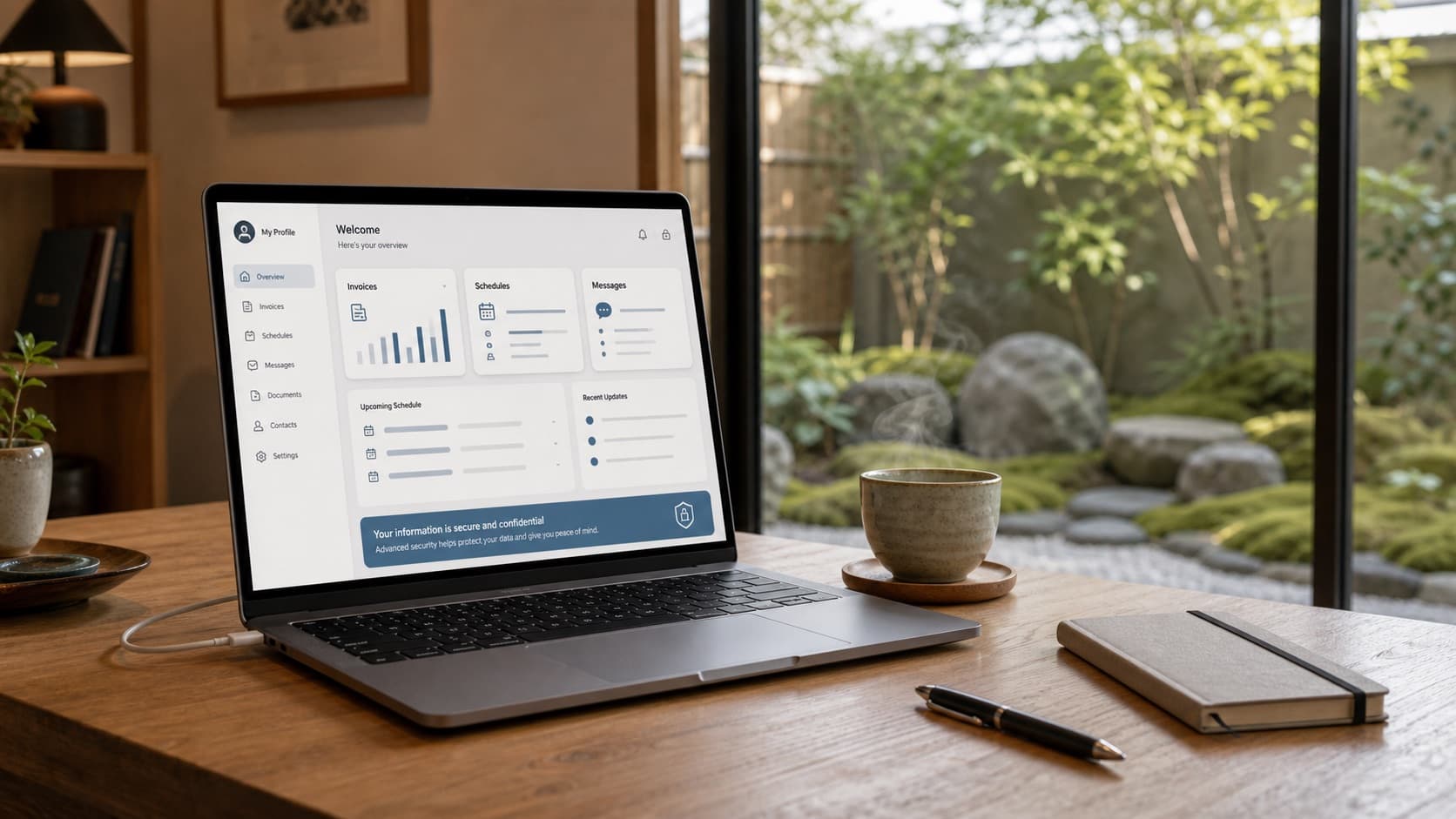
Your records, appointments, invoices, and clinic messages stay in one secure place.

  • Secure patient portal: encrypted access to your records, timeline, and care team.
  • Direct messaging: reach your personal coordinator whenever you need to.
  • Clear billing: every coordination and clinic invoice in one place, no surprises.
  • Ongoing follow-up: we relay updates and questions between you and the clinic in Japan.
Talk to Our Team

Ask us anything about treatment and travel to Japan.

Your bridge to advanced cancer care in Japan

JapanMedAssist helps international patients with oncology-related and immune-related conditions get their case in front of specialist clinics in Japan — including clinics offering advanced immunotherapy — without the language barriers, paperwork, and dead ends that usually make it feel impossible or time-consuming.

We organize your medical records, handle all communication with the clinic, arrange scheduling and interpretation, and coordinate your travel — so nothing falls through the cracks.

Each clinic reviews your case independently. Their licensed doctors give the medical advice, decide what care is suitable, and discuss your diagnostic and treatment options with you.

Our experience is strongest in oncology and clinical immunology — helping patients get expert second opinions and prepare their case for the specialist clinics in Japan that offer immunotherapy and other advanced options.